
Barbershop Health and Safety: What to Look For
Know the health and safety standards every barbershop should meet. Protect yourself by recognizing clean, compliant, and professional grooming environments.
Health and safety in barbershops isn't just a regulatory requirement — it directly affects your health. Knowing what to look for helps you choose shops that take hygiene seriously and avoid those that cut corners.
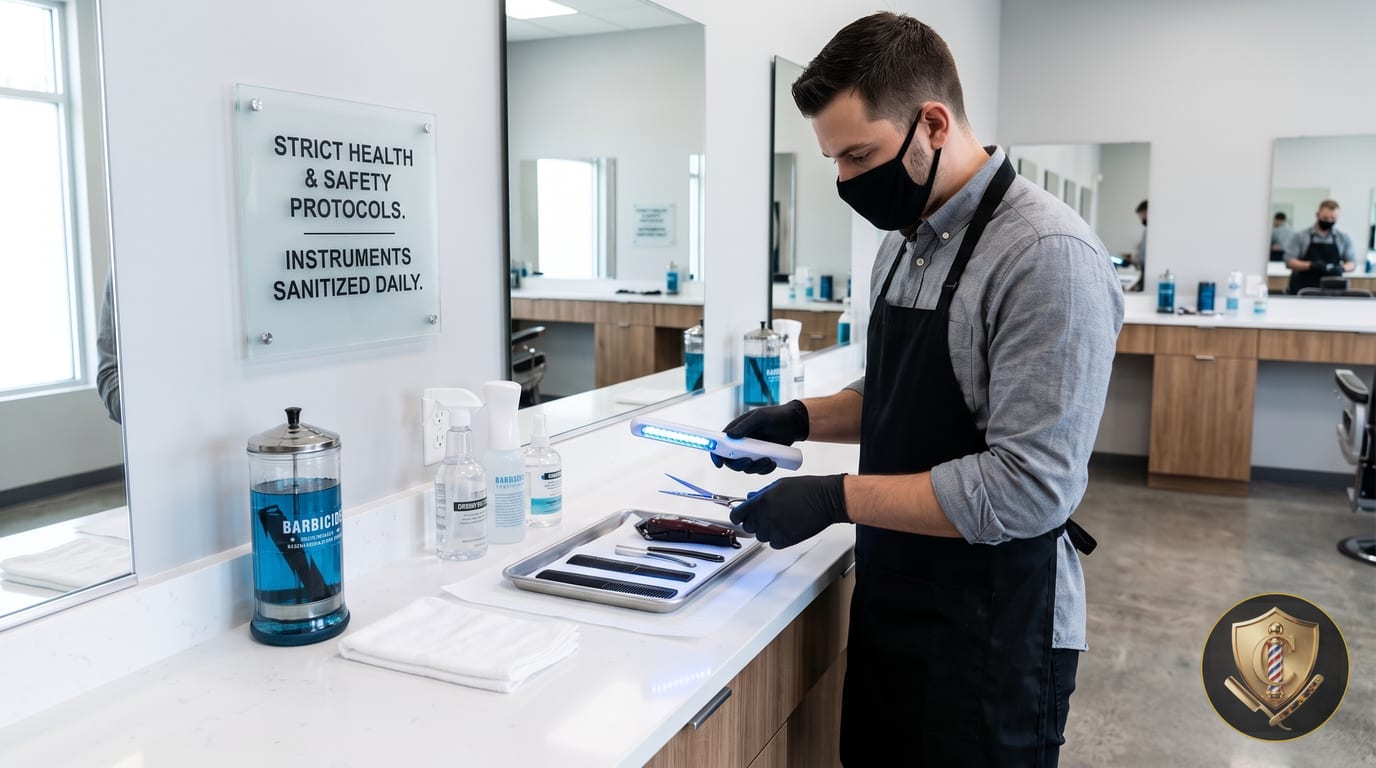
Tool Sanitation
This is the most critical area. Watch for:
- Barbicide jar: The blue liquid solution where combs and tools soak. It should be present at every station
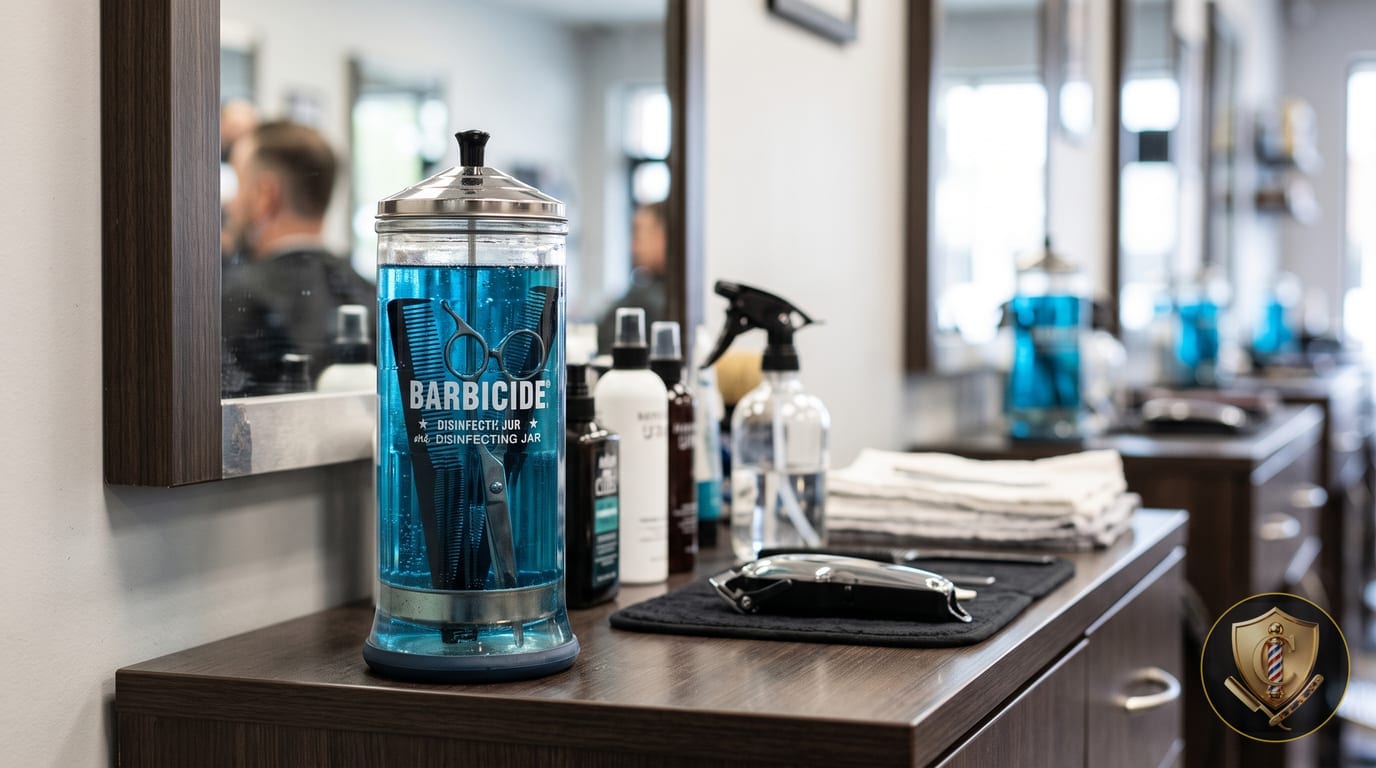
Tools fully submerged, not just resting on top — and one jar per station, not one shared jar for the whole shop. - Fresh blades: Straight razors and shavettes should use new disposable blades for each client
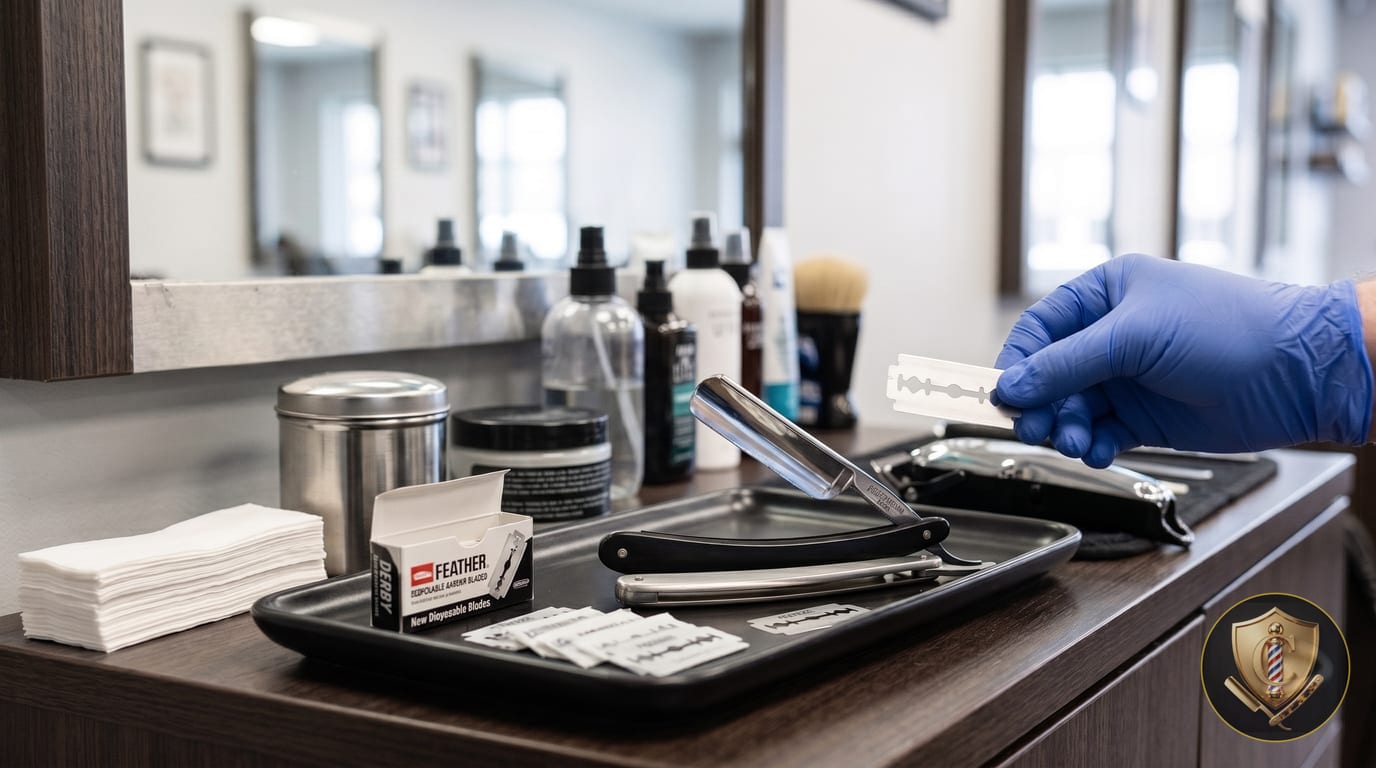
The blade should come out of a sealed packet in front of you. If you don't see that happen, ask. - Clipper spray: Barbers should spray disinfectant on clippers between clients
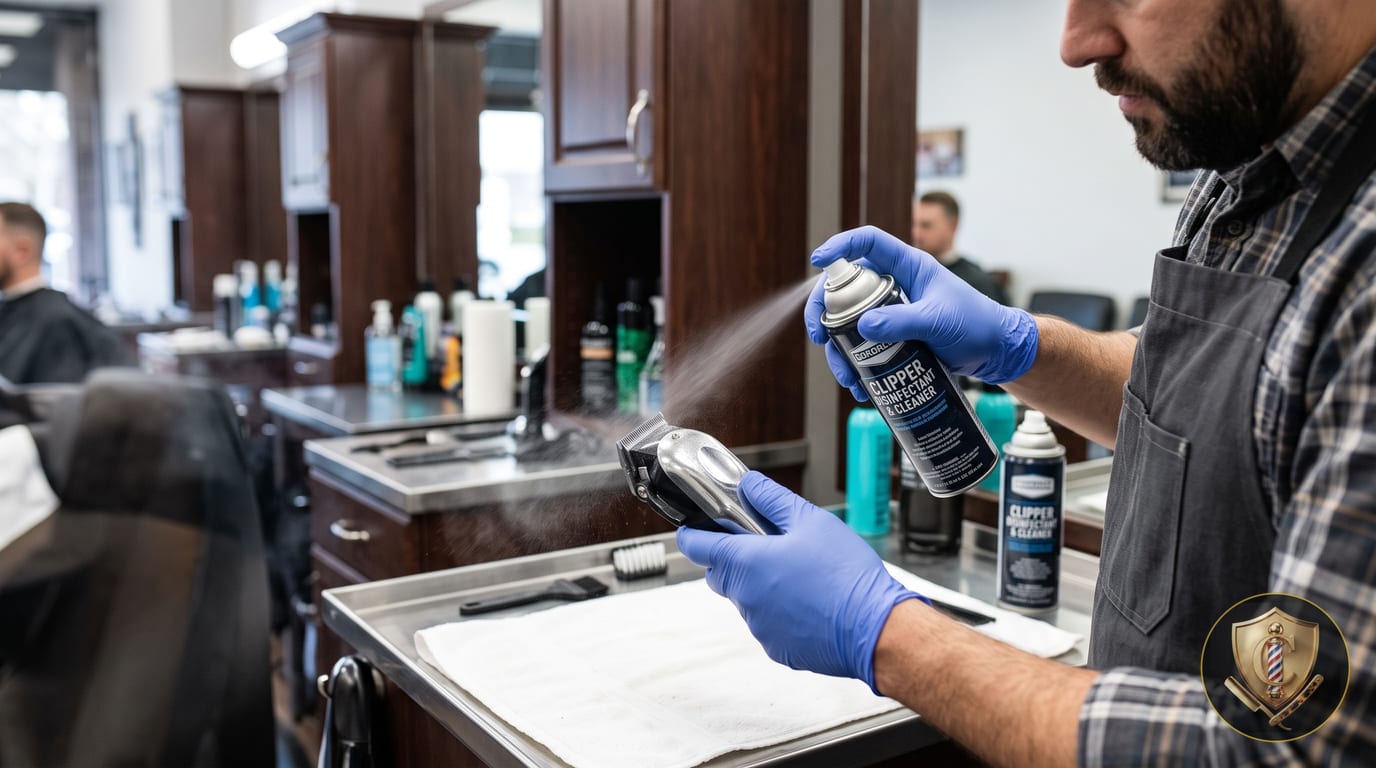
Between every client, not just at the end of the day — and on the blades themselves, not a quick mist over the housing. - UV sterilizers: Some shops use ultraviolet sterilization cabinets for extra sanitation
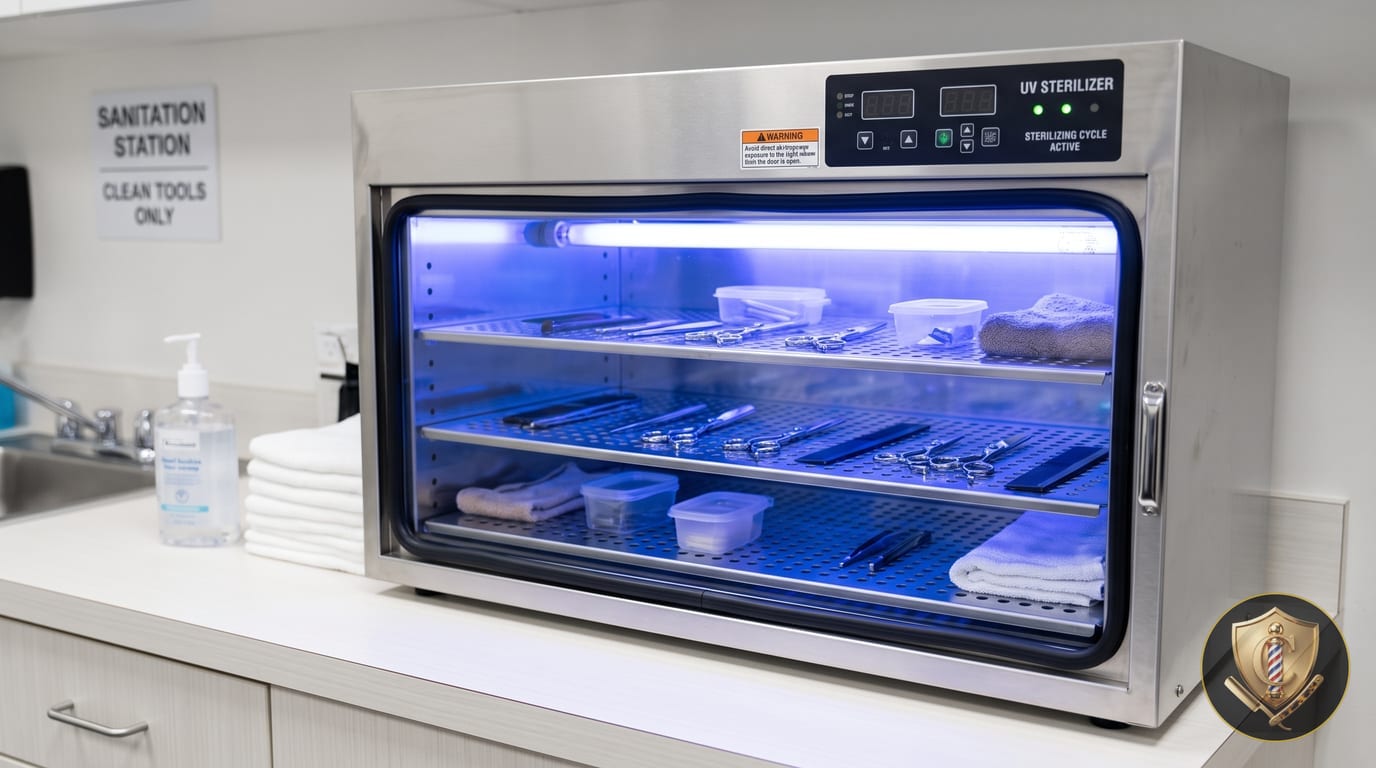
A nice extra, not a substitute. UV supplements barbicide and fresh blades — it doesn't replace either.
Personal Protective Equipment
- Fresh neck strip or towel for each client
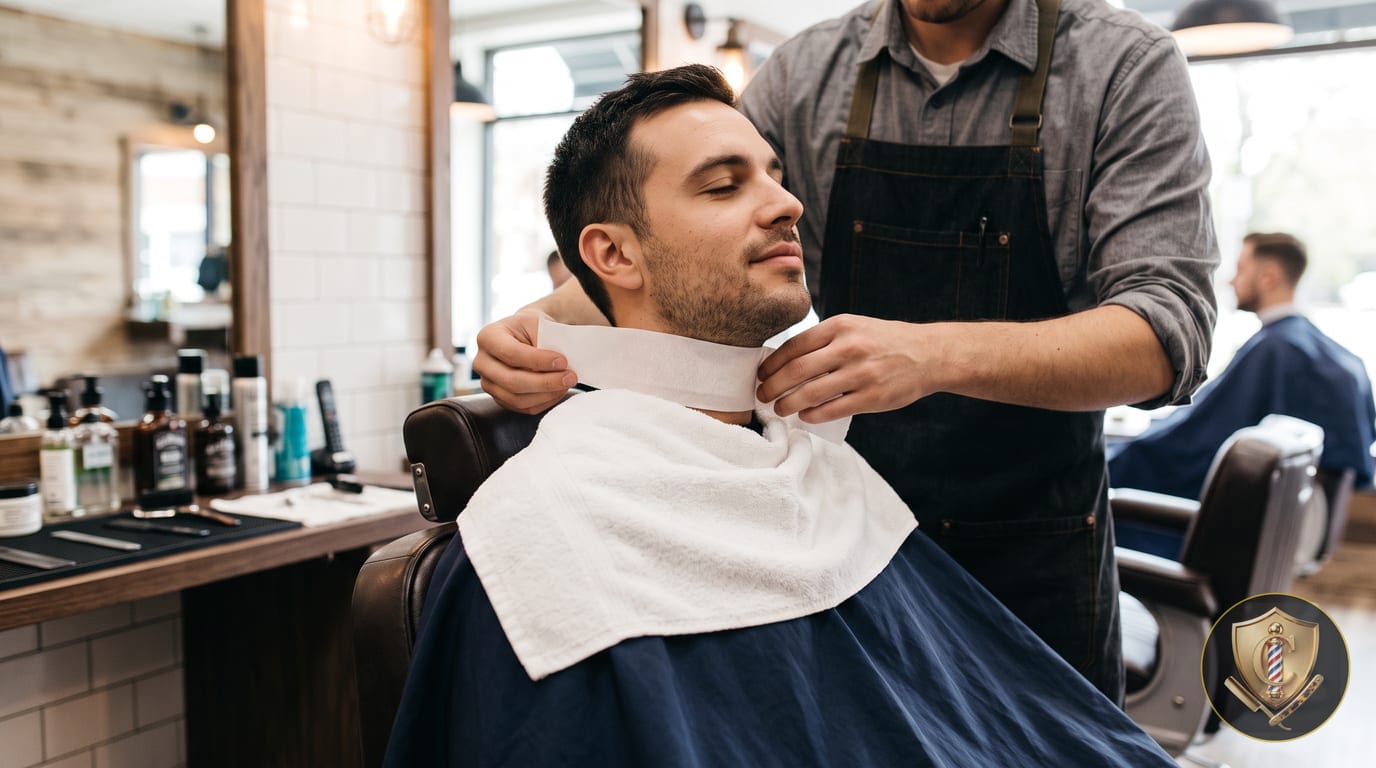
The neck strip is what keeps the cape off your skin. It should be torn fresh in front of you and thrown away after. - Clean cape — not visibly soiled from previous clients
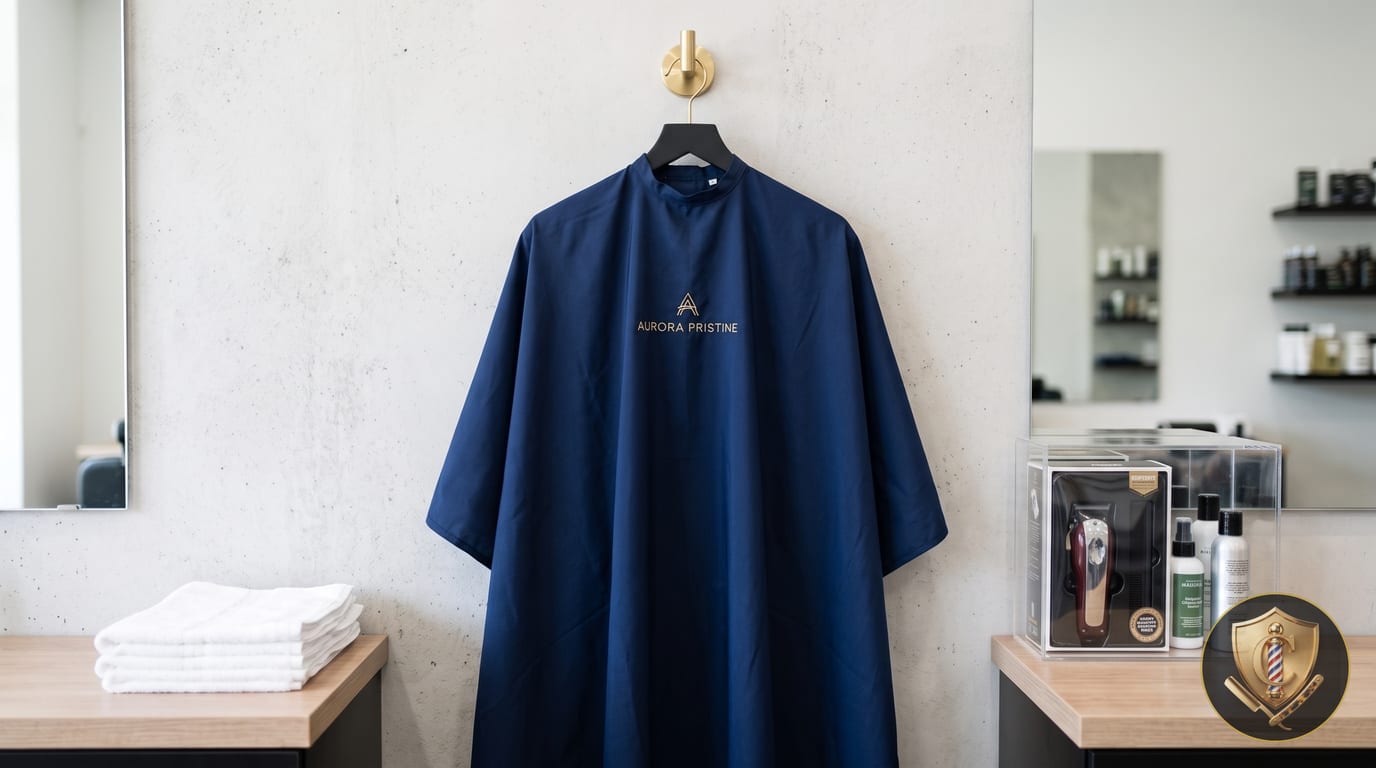
Capes get changed or wiped between clients in a good shop. Hair clinging to the shoulders from the last cut is the tell. - Barber washes hands or uses sanitizer before starting
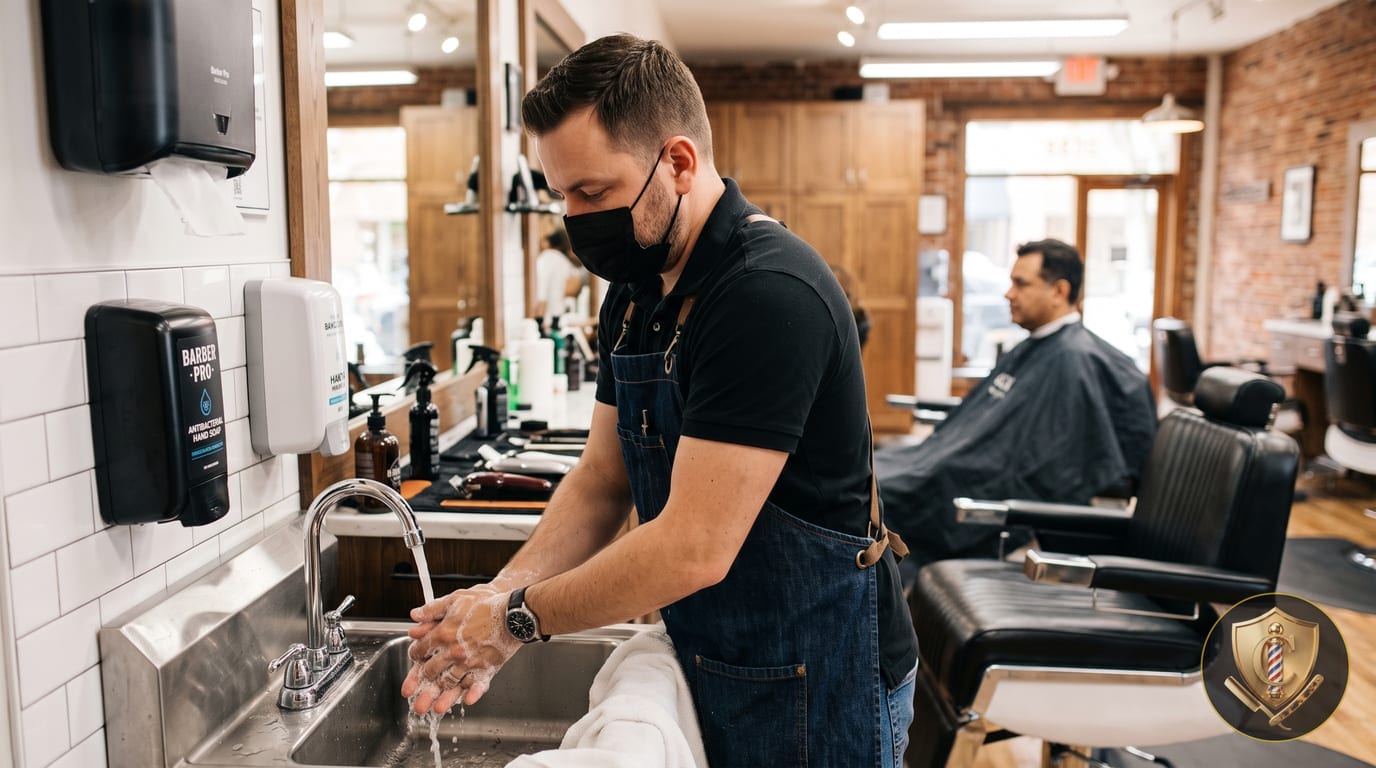
Between clients, at a sink with soap and paper towels — not a squirt of sanitizer on the way back from the register. - Gloves used during straight razor shaves and any service involving potential skin contact
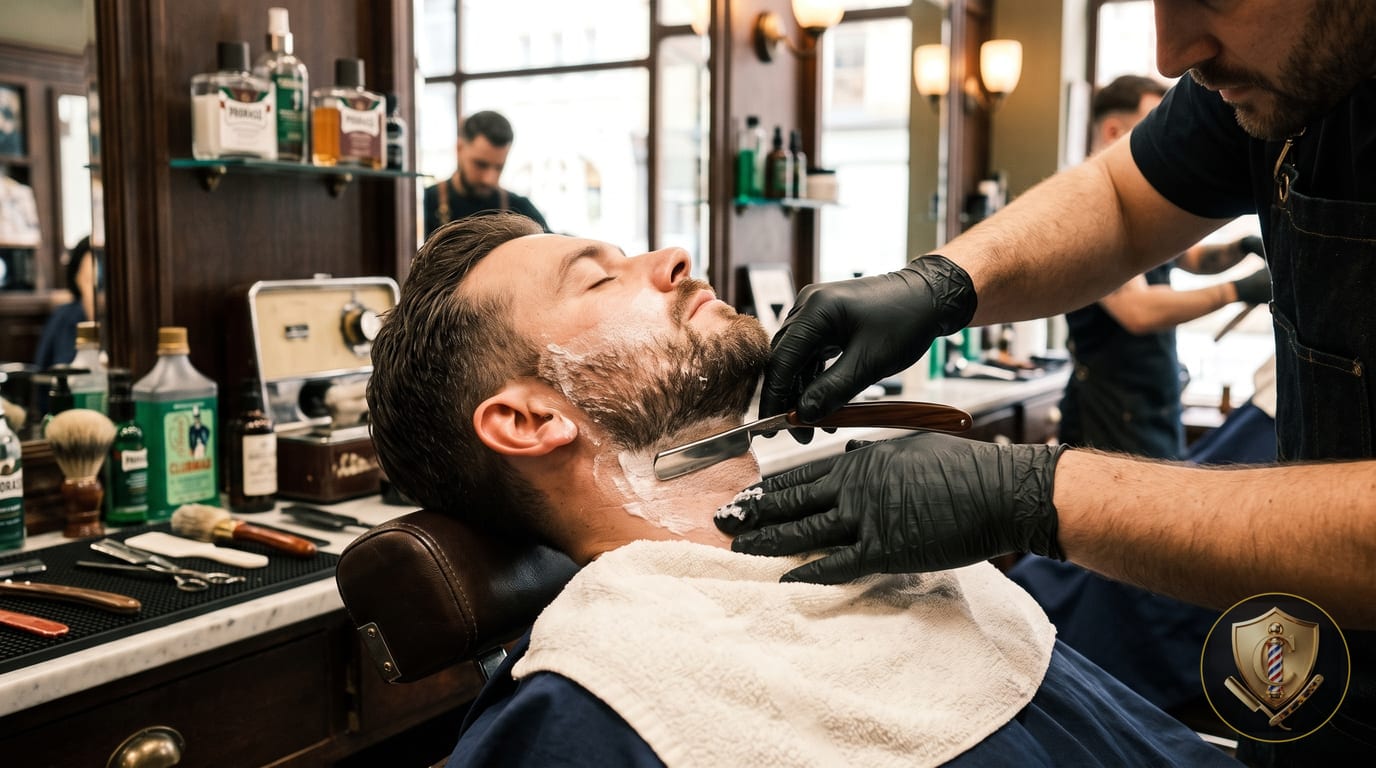
Any service where a blade meets skin means gloves. It protects you and the barber both.
Shop Cleanliness
The overall environment tells you a lot:
- Floors swept between clients (hair clippings shouldn't pile up)
- Clean mirrors and stations
- No dust accumulation on shelves and equipment
- Clean, well-maintained restrooms
- Proper ventilation (chemical products need airflow)
Licensing Display
Most states require barbershops to display their establishment license and each barber's individual license in a visible location. If you don't see licenses posted, ask. A legitimate shop will show them proudly.
Red Flags
Consider leaving if you notice:
- No visible sanitation between clients
- Reused blades or neck strips
- Dirty floors, stations, or restrooms
- No Barbicide or disinfectant products visible
- Inability or unwillingness to show licenses
- Strong chemical smells without ventilation
Your Role as a Client
You have every right to ask about sanitation practices. Professional barbers welcome these questions because it shows you value the same standards they do. Choosing verified barbers on platforms like Concierge Barber Registry adds an extra layer of quality assurance.